
The Smart Collector’s Guide to Disney Trading Cards: What Actually Matters Before You Buy

If you’ve spent even five minutes browsing Disney trading cards online, you’ve seen the chaos: shiny foil variants, “limited” stamps, mystery packs, and wildly inconsistent prices. Some cards feel like instant treasures. Others look impressive but never hold value. The difference isn’t luck—it’s knowing what actually matters.
I’ve made the mistakes so you don’t have to. This guide cuts through the noise and shows you how to buy Disney cards like a collector who understands the market, not just the hype.
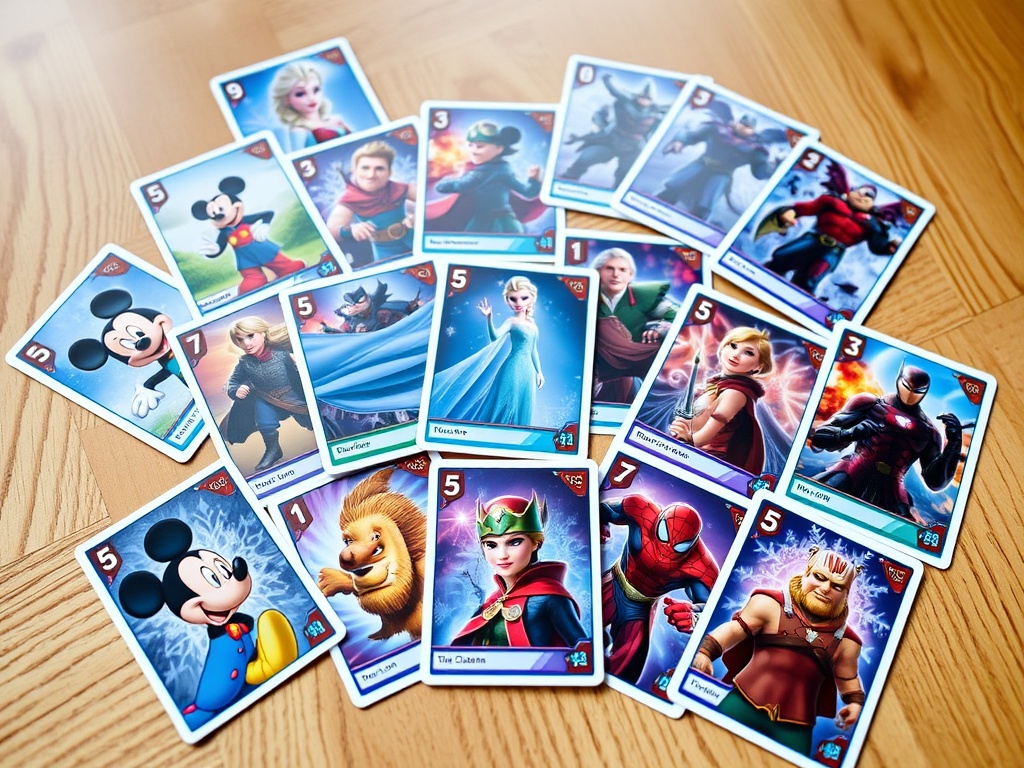
Why Disney Cards Are Different From Other Trading Cards
Disney cards sit in a unique space. They’re not purely sports-driven, and they’re not fully game-driven like Pokémon or Magic. Instead, they’re powered by emotional connection—nostalgia, characters, and storytelling.
That changes how value works. A rookie card equivalent doesn’t always exist. Instead, demand often spikes around iconic characters, anniversaries, or new releases tied to movies and shows.
That means you’re not just buying cardboard—you’re buying cultural moments. And those moments age very differently depending on how they’re produced.
Rarity Isn’t What You Think It Is
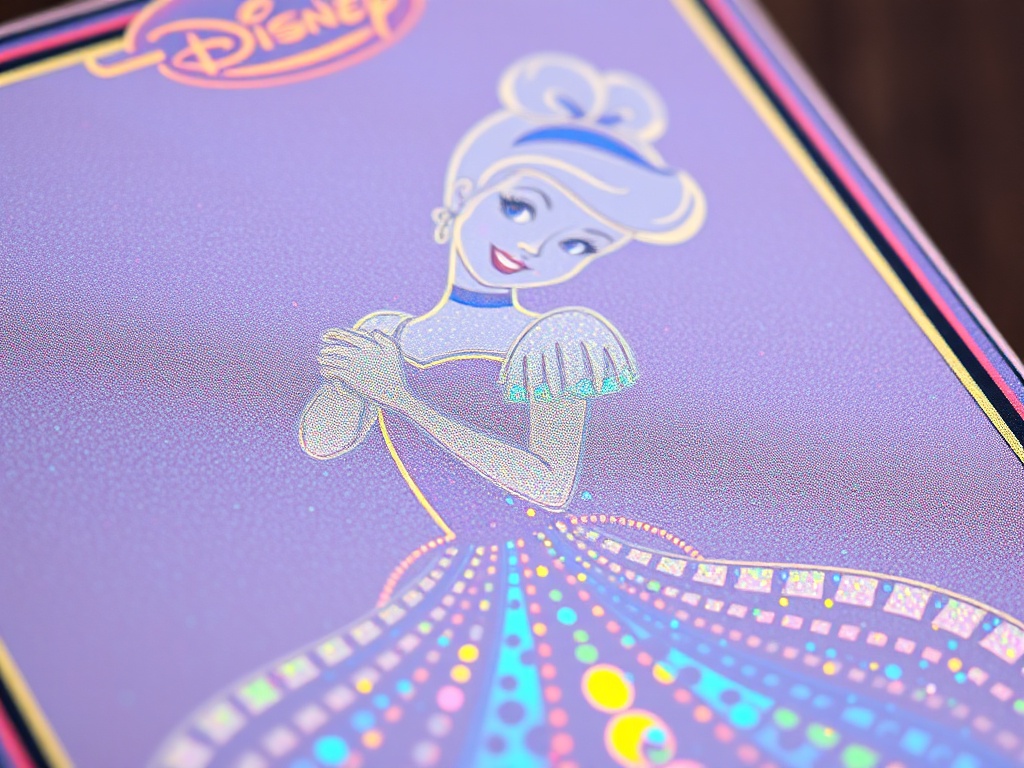
“Limited edition” is the most abused phrase in Disney cards. A card stamped 1 of 500 might sound rare—but if demand is weak, it won’t matter.
What actually drives rarity value:
- True scarcity: Short print runs with verified distribution
- Character demand: Mickey, Stitch, Elsa, and Marvel crossovers dominate
- Insert difficulty: Cards that are hard to pull (not just labeled rare)
A common mistake: buying mid-tier “numbered” cards instead of genuinely hard-to-find inserts. One feels rare. The other actually is.
Condition Is Everything (Even More Than You Think)
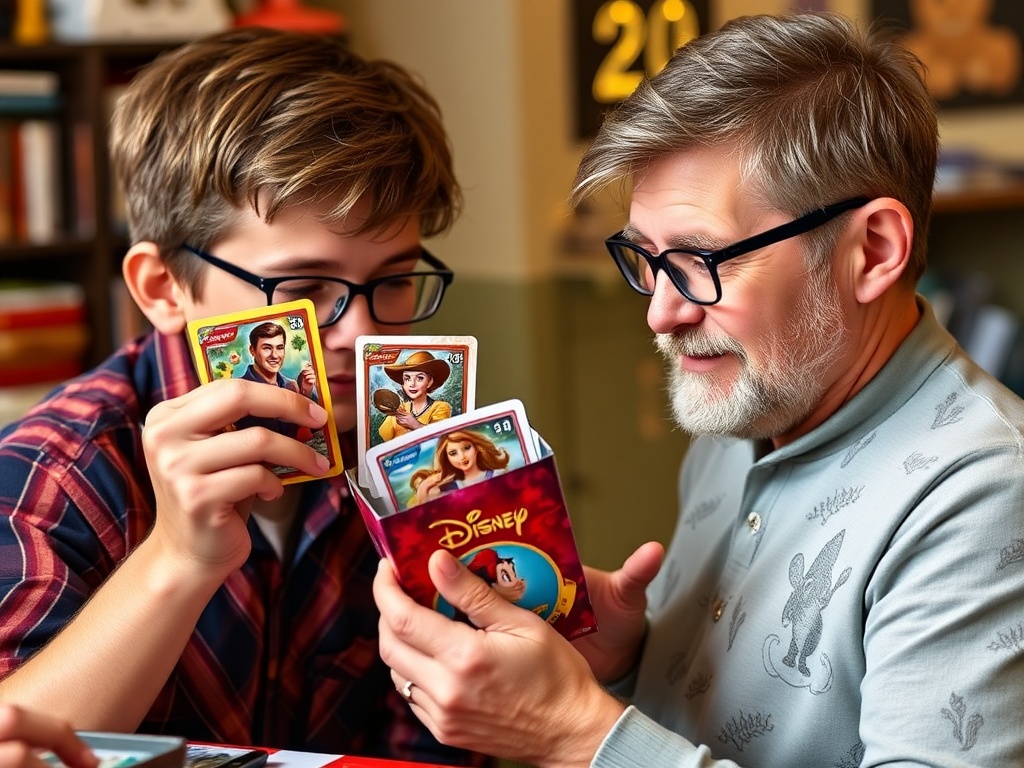
Disney cards are often printed with glossy finishes, foil edges, and darker backgrounds—all of which show damage easily. That means condition matters more than in many other hobbies.
Look for:
- Sharp corners
- Centered printing
- No surface scratches (especially on holo cards)
- Clean edges without whitening
If you plan to grade cards later, start thinking like a grader now. A card that looks “fine” to a casual collector might cap out at a mediocre grade.
Sets vs Singles: Where Smart Buyers Focus
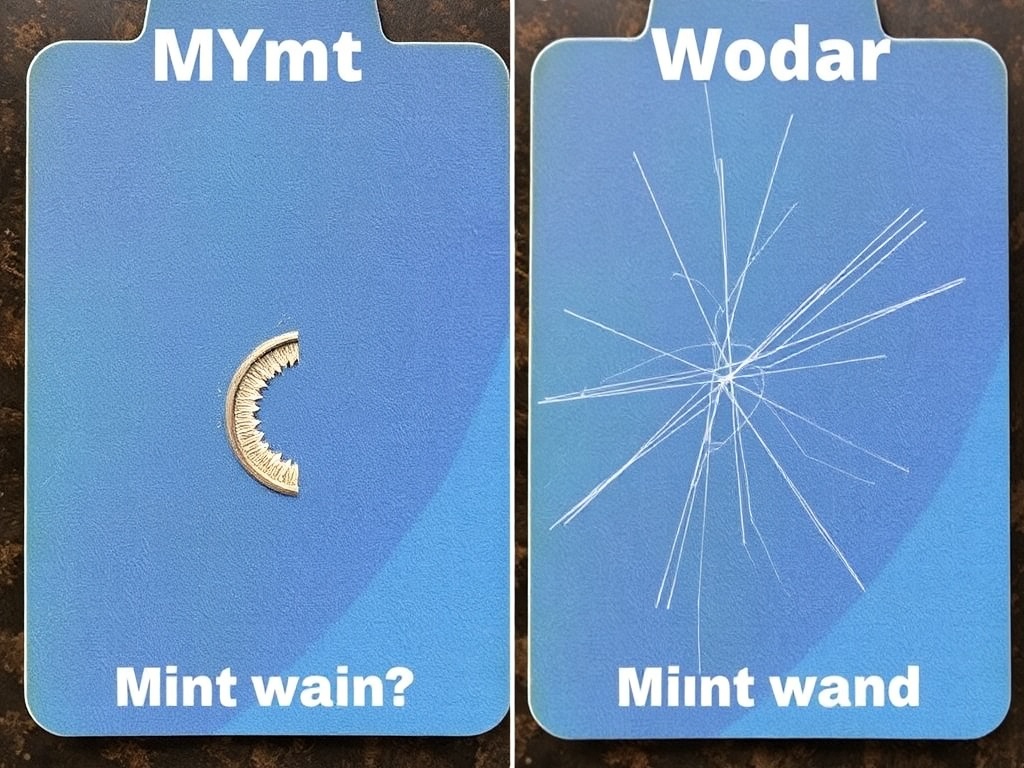
Buying sealed boxes is fun. It’s also the fastest way to burn money if you’re chasing specific cards.
Here’s the reality:
- Sealed products = entertainment + gamble
- Singles = precision + control
If you know what you want—buy singles. If you enjoy the thrill—open packs, but treat it like entertainment, not investment.
The smartest collectors do both, but they separate the goals clearly.
Grading: When It’s Worth It (And When It’s Not)
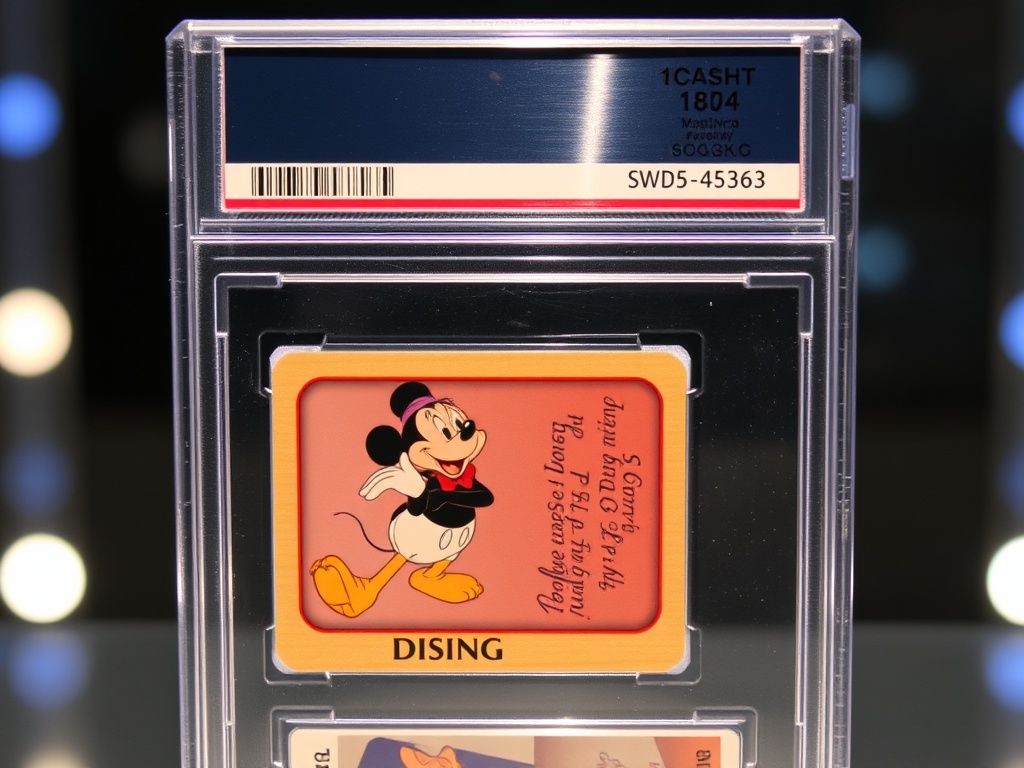
Grading can multiply value—or waste your money. It depends entirely on the card.
Grading makes sense when:
- The card is already in near-perfect condition
- It features a top-tier character or crossover
- There’s proven resale demand
Skip grading when the card is common, condition is questionable, or the cost of grading exceeds potential value gains.
Collectors often over-grade. Be selective. The best collections are curated, not slabbed blindly.
Modern vs Vintage Disney Cards
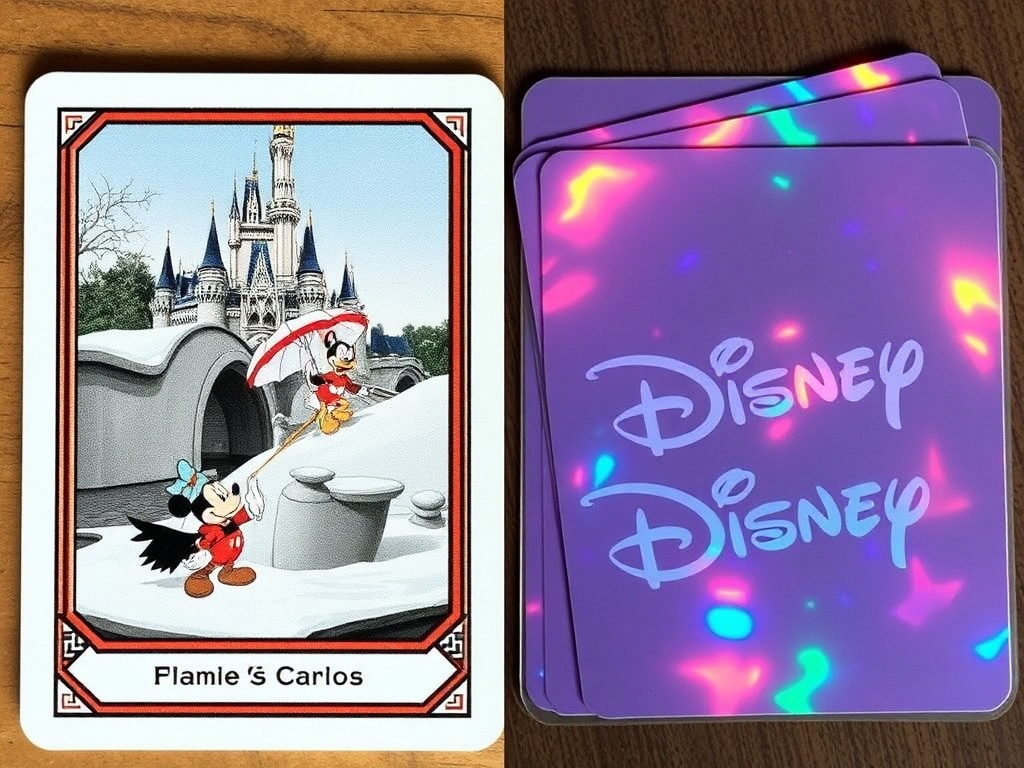
Modern Disney cards are flashy, accessible, and constantly evolving. Vintage cards are scarce, often simpler, and tied to earlier eras of Disney storytelling.
Each has advantages:
- Modern: Better print quality, more variety, easier entry point
- Vintage: Proven scarcity, historical appeal, long-term collector interest
A balanced collection often includes both. Modern gives you excitement. Vintage gives you stability.
Where Most Beginners Get It Wrong
After years of collecting and watching the market, the same mistakes show up again and again:
- Chasing hype instead of understanding demand
- Buying too many low-quality cards instead of a few strong ones
- Ignoring condition until it’s too late
- Overvaluing “limited” labels
The fix is simple but not easy: slow down. Study the cards. Learn what consistently holds attention.
How to Build a Collection That Actually Feels Valuable
Value isn’t just price—it’s how your collection feels when you look at it.
Focus on:
- Characters you genuinely care about
- Cards with standout design or rarity
- Pieces that tell a story when grouped together
The best collections aren’t the biggest. They’re the most intentional.
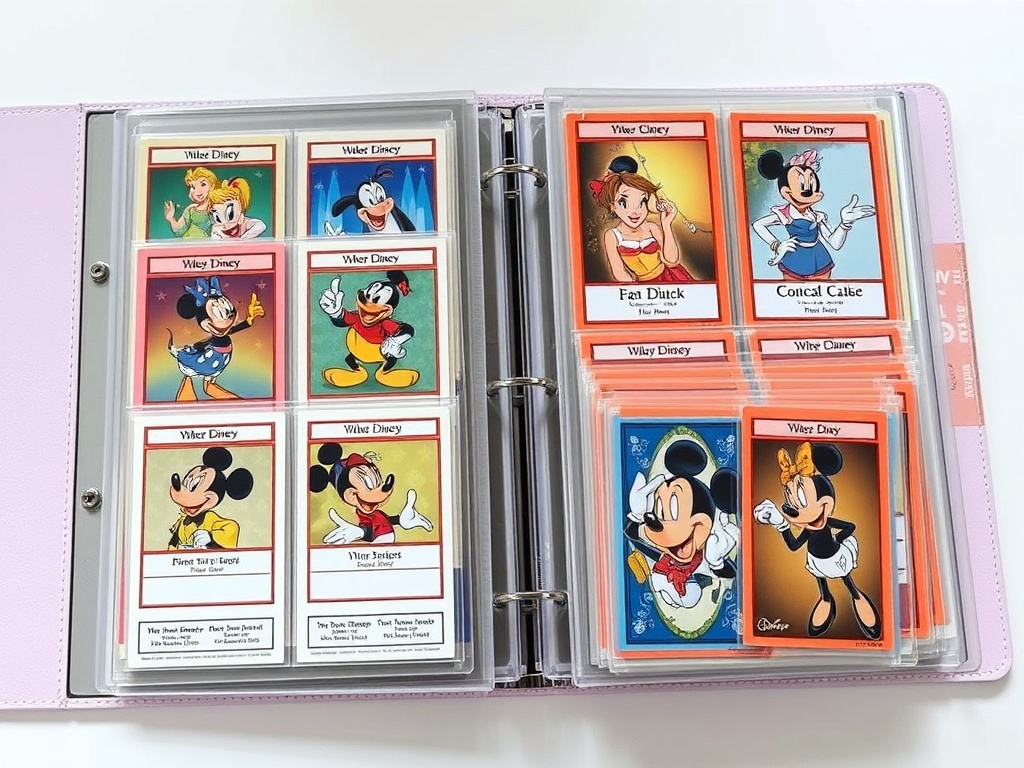
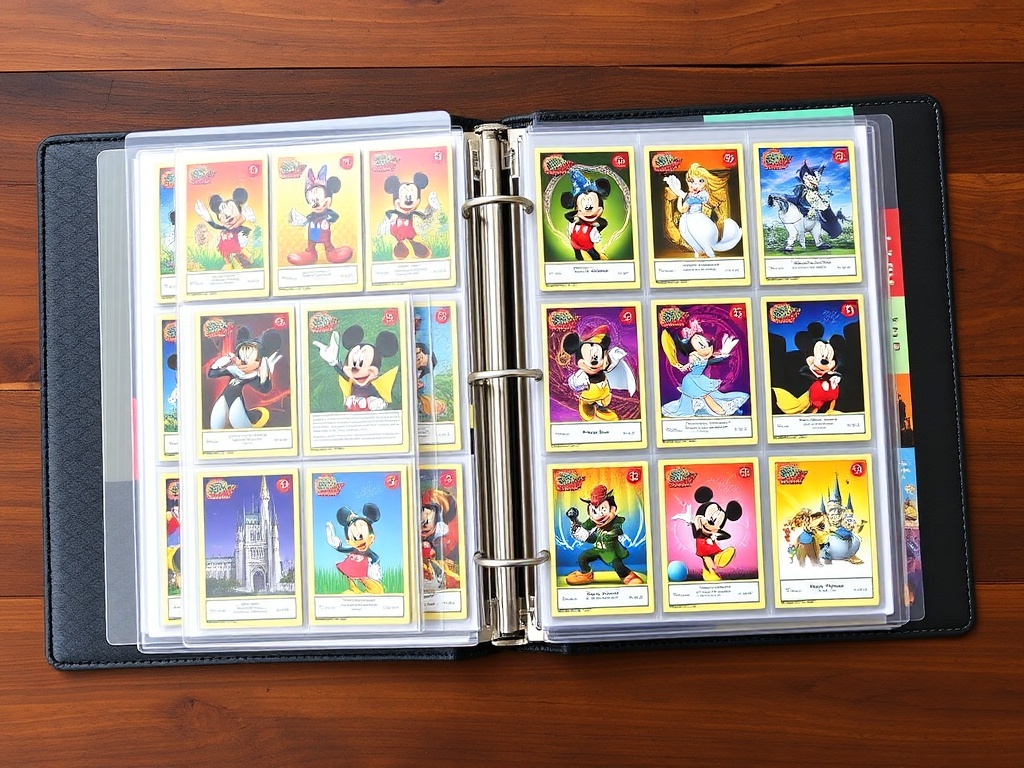
If you open your binder and every page feels like a highlight reel, you’re doing it right.
Final Thoughts From a Collector Who’s Been Burned Before
You don’t need to buy everything. You don’t need to chase every release. And you definitely don’t need to believe every “rare” label you see.
What you do need is a filter.
Once you develop that—once you can look at a card and instantly judge its real appeal—you stop wasting money and start building something that lasts.
That’s when collecting Disney cards stops feeling random and starts feeling intentional.