How to Collect Disney Trading Cards: A Complete Starter Guide

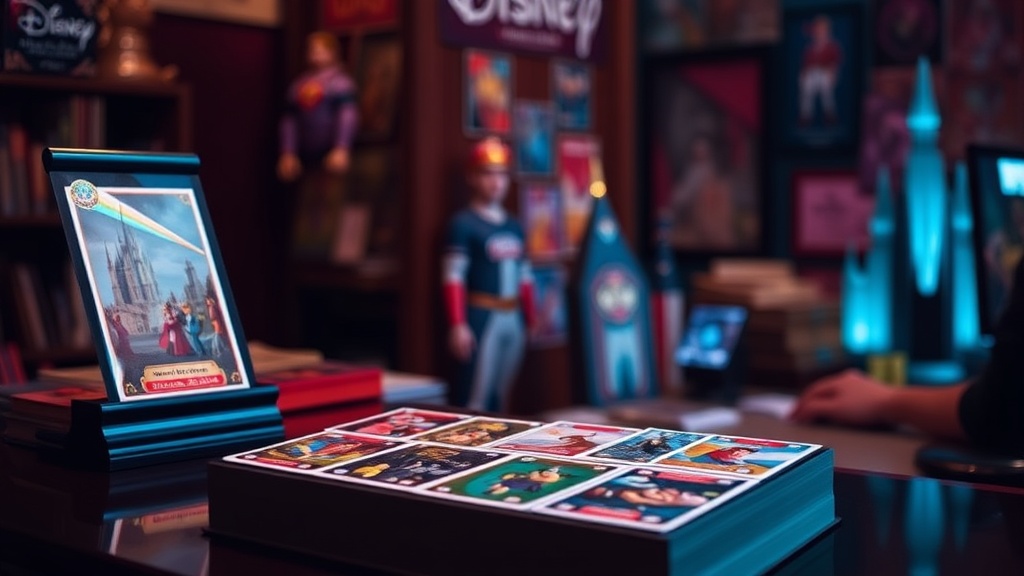
Collecting Disney trading cards offers a tangible way to celebrate beloved characters while building a portfolio that can appreciate over time. This guide covers everything from identifying valuable sets to proper storage techniques and where to buy authentic cards. Whether starting fresh or expanding an existing collection, these strategies help avoid common pitfalls and maximize enjoyment.
What Disney Trading Card Sets Should Beginners Collect First?
Start with Upper Deck's Disney Annual sets or Panini's Disney sticker collections. These offer accessible price points, wide availability, and recognizable characters that hold steady interest among collectors.
The Disney trading card market splits into several categories. Modern sets from licensed manufacturers dominate current releases. Here's the thing — not all sets carry equal weight in the collecting community.
Upper Deck Disney releases annual card sets featuring characters from Disney, Pixar, Marvel, and Star Wars properties. Their Disney Treasures line includes autographed cards and limited-edition inserts that command premium prices on the secondary market. A 2023 Mickey Mantle autograph card from the Disney Archives set recently sold for $340.
Topps produces Disney-themed sets tied to specific franchises — Star Wars Galaxy cards, Marvel Masterpieces, and occasional crossover releases. Their quality varies by year. (The 2022 Star Wars Chrome set disappointed many due to print quality issues.)
Panini dominates the European market with sticker albums and trading cards. Their Disney 100 collection celebrated the centennial anniversary with foil cards and holographic inserts that remain popular among completionists.
| Set Name | Manufacturer | Price Range (Sealed Box) | Best For |
|---|---|---|---|
| Disney Annual 2023 | Upper Deck | $80-$120 | Beginners |
| Disney Treasures | Upper Deck | $200-$400 | Autograph hunters |
| Star Wars Galaxy | Topps | $60-$150 | Franchise fans |
| Disney 100 Stickers | Panini | $15-$30 | Kids/completionists |
| Kings of the Jungle Book | Various | $50-$500+ | Vintage collectors |
Vintage Disney cards from the 1960s through 1990s present a different challenge. The 1991 Impel Disney Collector Cards marked Disney's serious entry into the trading card market. Complete sets in mint condition fetch $150-$300. Earlier releases — the 1960s Walt Disney Productions bubble gum cards — require careful authentication due to rampant counterfeiting.
How Can You Tell If a Disney Trading Card Is Authentic?
Check for official licensing holograms, examine card stock weight and texture, and compare printing quality against verified examples from manufacturer databases or PSA Card grading resources.
Counterfeit Disney cards flood online marketplaces. The catch? Many look convincing to untrained eyes. Here's what separates genuine cards from fakes:
Card stock matters. Licensed Disney cards use specific paper weights — typically 300-350gsm for standard cards, thicker for premium inserts. Hold a suspected counterfeit against a verified card from the same set. The fake often feels flimsy or overly glossy.
Printing tells stories. Authentic cards feature sharp registration — colors align perfectly at edges. Counterfeits show blurring, especially around text. Examine the back of cards too. Licensed products include copyright notices, manufacturer logos, and sometimes QR codes linking to verification systems.
Holographic elements on modern inserts use proprietary techniques. Upper Deck's holograms shift colors when tilted. Cheap reproductions use sticker overlays that peel or lack dimensional depth.
For vintage cards, condition assessment becomes critical. The CGC Cards grading service evaluates centering, corners, edges, and surface. A 1960s Disney card graded CGC 9 commands multiples over an ungraded equivalent. That said — grading costs money ($15-$50 per card) and takes months. Reserve it for cards worth $100+.
"Never buy vintage Disney cards without seller-provided photos of both sides. Stock photos hide creases, stains, and corner damage that destroy value."
What's the Best Way to Store and Protect Disney Trading Cards?
Use penny sleeves for basic protection, rigid card savers for valuable singles, and climate-controlled storage away from direct sunlight and humidity fluctuations.
Proper storage isn't optional — it's preservation. Disney cards printed on modern card stock resist damage better than vintage cardboard, but both degrade without care. Heat warps. Humidity breeds mold. Light fades colors.
Immediate protection starts with penny sleeves — thin polypropylene sleeves costing pennies each. Every card entering a collection gets sleeved before handling continues. Oils from fingers transfer permanently. (Yes, even clean hands.)
Secondary protection depends on value. Standard cards move into Ultra Pro binders with 9-pocket pages — easy viewing, reasonable protection. Valuable cards ($20+) warrant BCW top loaders or Card Saver I semi-rigid holders. These prevent bending and allow grading submission without resleeving.
Long-term storage requires environmental control. Ideal conditions: 65-70°F temperature, 35-50% relative humidity. Basements flood. Attics roast. Bedrooms work best — closets especially, where light stays minimal.
Avoid ultrasonic card cleaning machines marketed on auction sites. The vibrations damage holographic layers and can separate card laminations. For dirty cards, consult Blowout Cards forums — experienced collectors share restoration techniques that don't destroy value.
Common Storage Mistakes That Ruin Collections
- Rubber bands: They crease cards permanently and leave residue
- Overstuffed boxes: Cards press against each other, damaging corners
- Direct sunlight exposure: Fades colors within months
- PVC pages or sleeves: Chemical breakdown transfers sticky film to cards
- Stacking heavy boxes: Bottom cards crush under weight
Where Should You Buy Disney Trading Cards?
Established hobby shops, manufacturer-authorized online retailers, and reputable eBay sellers with 500+ positive feedback ratings offer the safest purchasing channels.
The sourcing space changed dramatically. Local card shops — once the primary channel — have dwindled. Online dominates. Here's where smart money shops:
Manufacturer direct: Upper Deck sells sealed boxes through their website. Prices run higher than discount retailers, but authenticity guarantees justify the premium for high-dollar purchases. Panini operates similarly for European releases.
Authorized online retailers: Dave & Adam's Card World, Blowout Cards, and Steel City Collectibles move serious volume. They offer pre-order pricing on upcoming releases — typically 15-25% below post-release market rates. Worth noting: these retailers often bundle shipping, making bulk purchases economical.
eBay: The wild west. Great deals exist. So do scams. Vet sellers ruthlessly. Check feedback history — not just the percentage, but recent comments. Sellers pushing "rare" cards at below-market prices usually peddle counterfeits. Ask questions before bidding. Request additional photos. Reputable sellers accommodate.
Facebook groups and Reddit: Communities like r/disneycollectors and dedicated Facebook groups facilitate peer-to-peer sales. Prices often beat retail. The risk? No buyer protection. Use PayPal Goods & Services — never Friends & Family — for transactions with strangers. The 3% fee buys recourse if cards never arrive or arrive damaged.
Card shows and conventions: Disney cards appear at general shows, though rarely as the focus. Bring cash for negotiating power. Inspect cards in person before purchasing. Nothing replaces tactile examination.
Price Expectations for New Collectors
Disney trading cards span every budget. Modern base cards — common cards from recent sets — trade for $0.25-$2. Insert cards featuring characters like Stitch or Baby Yoda command $5-$25 depending on rarity. Autographed cards from voice actors or artists range $50-$500+. Vintage sealed wax boxes from the 1990s? $200-$1,000+ depending on the set.
Start small. Learn the market. Chasing expensive cards immediately leads to overpaying. The collector who researches first profits later — or at least doesn't lose money on bad purchases.
Disney card collecting rewards patience. Sets complete over months, not days. Values fluctuate with movie releases — a new Moana film spikes interest in related cards. The community remains welcoming, knowledge-sharing rather than gatekeeping. Build relationships with other collectors. Share discoveries. Enjoy the hunt as much as the acquisition.